
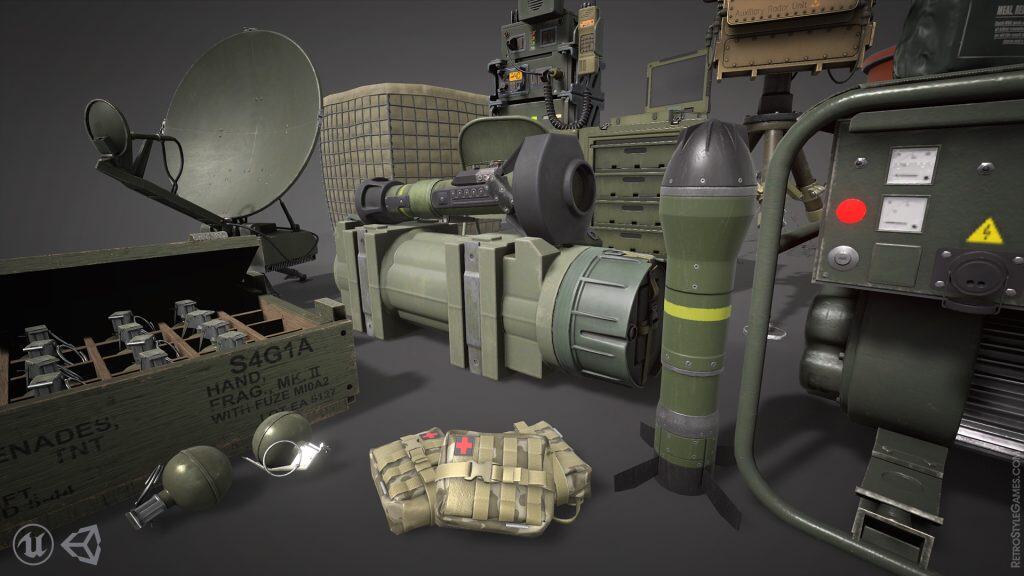
Understand Licensing Before Downloading
Free game resources, such as sprite, sounds, models, user interface screenshot, etc., are used under a particular specification. Some common ones are Creative Commons (CC0 representing the public domain, the CC-BY needing a credit), royalty-free (commercial use is allowed, with credit), and it is public domain (without restrictions). Never miss the license file or description on other websites, such as OpenGameArt, itch.io, or Kenney.nl. CC-NC does not allow commercial usage; CC-ND does not allow changes. Recording these without permission may be takedowned, sued, or even banned by stores such as Steam.
Source from Reputable Platforms
Always stick with renowned repositories so that it is legitimate. OpenGameArt has CC-licensed art, FreeSound has audio with the CC-BY license, and Unity Asset Store free packs give commercial rights. Do not use torn game assets or unadopted torrents they are copyrighted, even when it’s free work. Check the intent of the creator: others permitting standalone packs of indie games. You have documents as your records.
Attribute Properly and Comply Fully
Add credit to game credits screen, about page or asset files as needed. Example: “Sprites, by ArtistX (CC-BY, opengameart.org)]. For bundles, list all. In case of modification (e.g. recoloring sprites), ensure ND-free licenses. Same terms derivatives are required by share-alike clauses (CC-SA). Failure to comply cancels authorization, even of free games.
Integrate Assets Seamlessly for Polish
Prototypes can be turned into pros with a good use, which matches art styles, pixel assets in retro games or 3D low-poly in mobile. Immersion sounds: ambient loops, + SFX. Consistent menus are to be used with UI kits. Iteratively replace, prototype fast. Applications such as Aseprite (edit sprites) or Audacity (adjust audio) help the process to be coherent without having to create an entirely new piece of information.
Avoid Common Pitfalls and Conflicts
Cross-licensing is a pain in the neck–CC-SA content can not cross-license with proprietary code without problems. Performance test: high-poly free drain mobile batteries. Do not sell packs as-is or include in objectionable content (most of them forbid it). Flexibility is provided in the case of jams/hobby projects but there is a need to adhere to distribution. Pre-release replacement of placeholders.
Scale Up with Commercial Readiness
In the case of monetized games, licensed sales are allowed (most royalty-free do). Create asset pipelines: classify folders according to their type, version control changes. Colleagues are attracted by credit rolls, which improve professionalism. In the long run, change to originals to brand. The use of law is time-saving/money-saving, and the emphasis is put on the gameplay.
Learning licenses will make it legal to be creative. Beauty in the simple, give credit thoughtfully, repeat cleverly, indie success is made of nothing and involves no risks.